Hackeo Comunitario
Opening up and reclaiming technology from a community standpoint, with children and youth, asking together what technology is and what it means to hack it from where we stand. Abrir y reapropiar la tecnología desde lo comunitario, con niñas, niños y jóvenes, preguntándonos juntas qué es la tecnología y qué significa hackearla desde donde estamos.
Hackeo Comunitario began with a question rather than a device: what is technology, and what would it mean to hack it from where we stand? Over a series of workshops with children and youth in Quebrantadero, in collectivity with David Marcelino Cayetano, a Nahua activist and Nahuatl language teacher, we opened that question together.
The first sessions were deliberately informal. We talked about technology in general, the kinds the kids knew, the kinds they used, the kinds they were curious about. Their questions reshaped the work. Hacking, here, did not mean breaking in. It meant claiming the right to open technology up, to ask where it comes from and who it serves, and to imagine it otherwise from a rural, local and Indigenous standpoint.
Imagining 2090
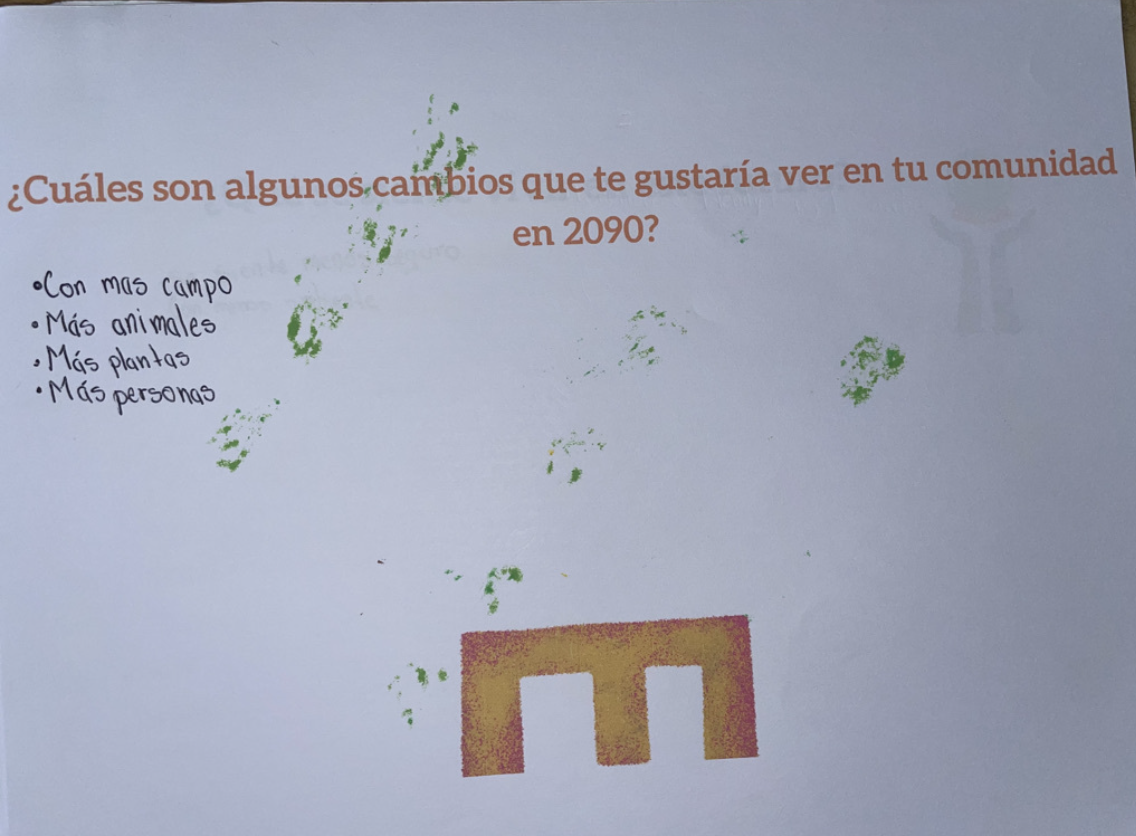
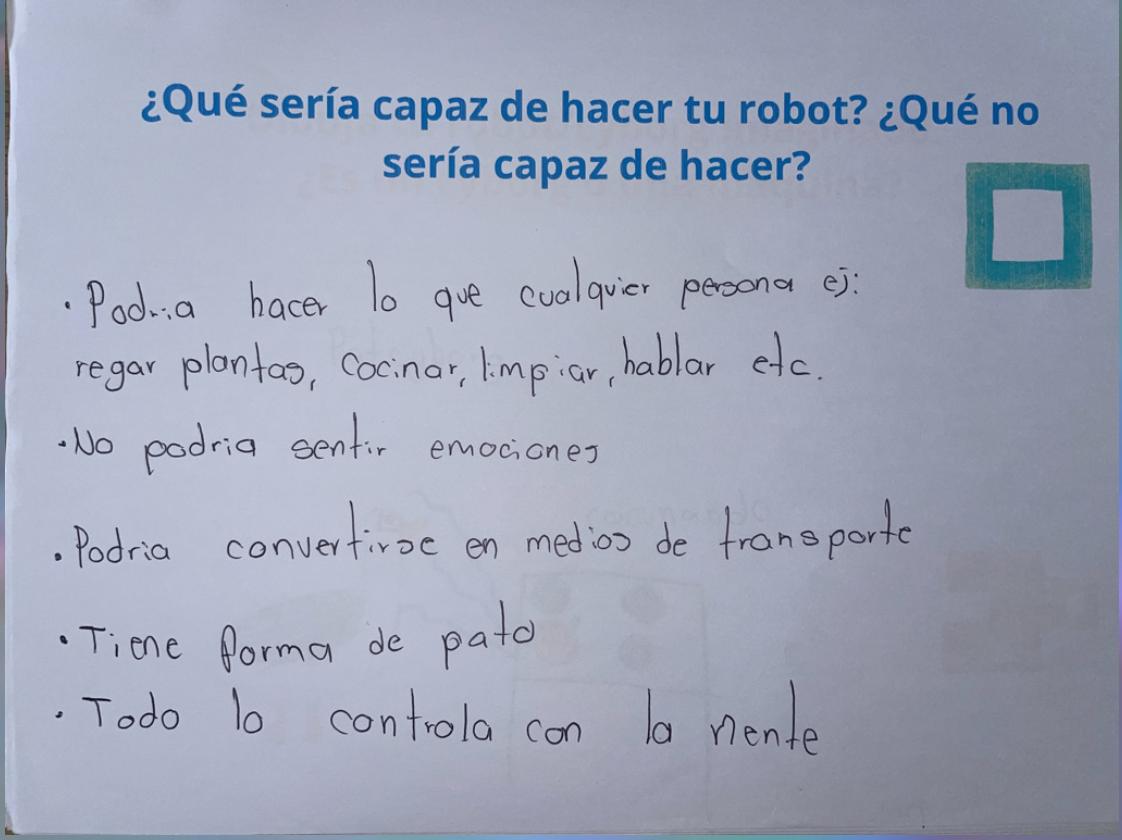
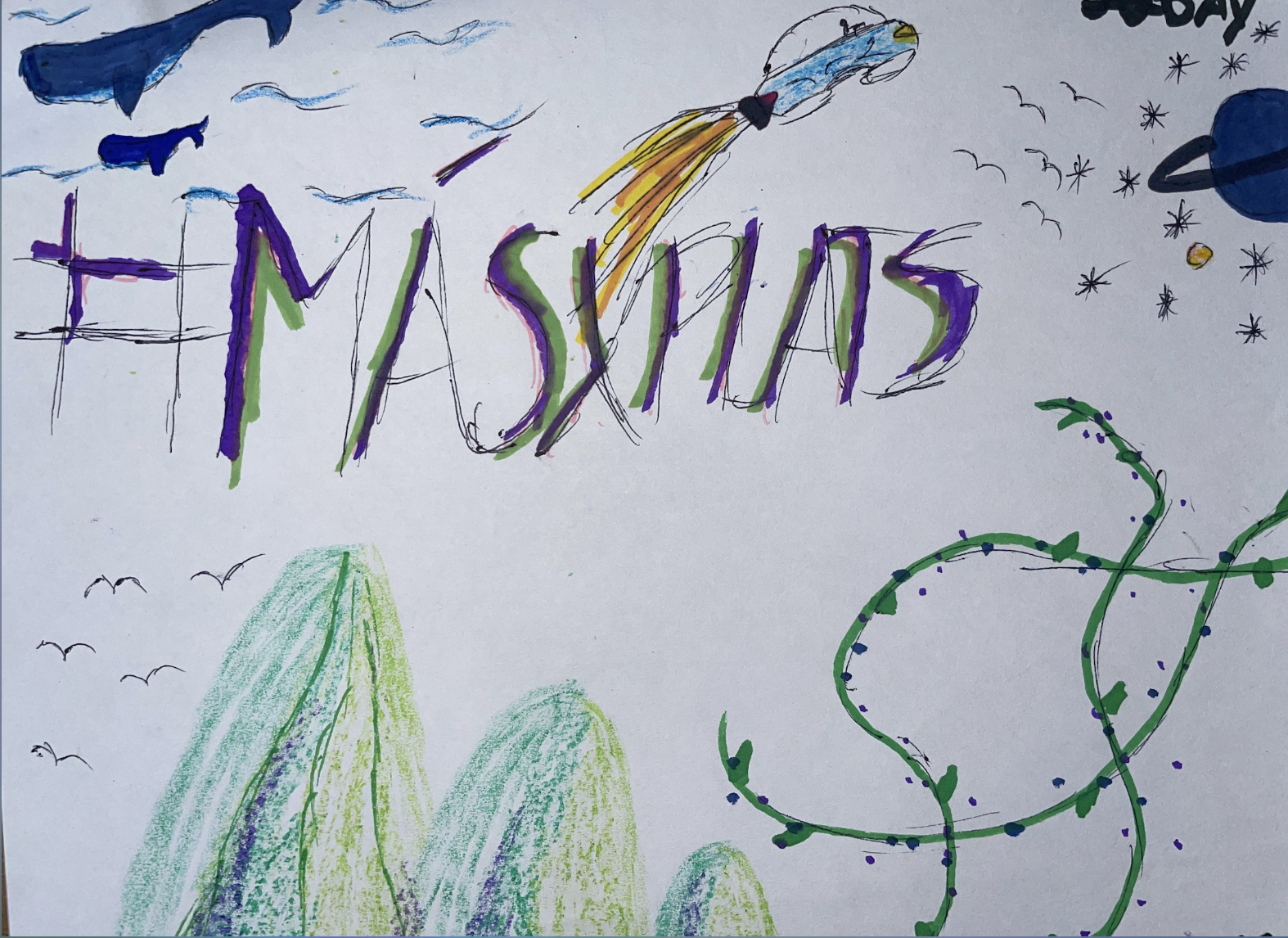
From those conversations the kids began to imagine. Asked what changes they would like to see in their community in 2090, they drew and wrote: more land, more animals, more plants, more people. They imagined robots, and what those robots could and could not do, things that could water plants, cook, clean, and speak, but could not feel emotions. The drawings hold a future rooted in their own place, on their own terms.
Hackeo Comunitario comenzó con una pregunta más que con un dispositivo: ¿qué es la tecnología y qué significaría hackearla desde donde estamos? A lo largo de una serie de talleres con niñas, niños y jóvenes en Quebrantadero, en colectividad con David Marcelino Cayetano, activista nahua y maestro de lengua náhuatl, abrimos esa pregunta juntas.
Las primeras sesiones fueron deliberadamente informales. Hablamos de la tecnología en general, las que las y los peques conocían, las que usaban, las que les daban curiosidad. Sus preguntas reconfiguraron el trabajo. Hackear, aquí, va más allá de solo irrumpir. Significa reclamar el derecho a abrir la tecnología, a preguntar de dónde viene y a quién sirve, y a imaginarla desde lo rural, lo local y lo indígena.
Imaginar el 2090
Desde esas conversaciones las y los peques comenzaron a imaginar. Ante la pregunta de qué cambios les gustaría ver en su comunidad en 2090, dibujaron y escribieron: más campo, más animales, más plantas, más personas. Imaginaron robots, y lo que esos robots podrían y no podrían hacer, cosas que riegan plantas, cocinan, limpian y hablan, pero que no podrían sentir emociones. Los dibujos guardan un futuro arraigado en su propio lugar, en sus propios términos.