Milpa y Minga
An exchange of knowledge, practices and ways of making between Morelos and Maguaré.Un intercambio de conocimientos, prácticas y formas de hacer entre Morelos y Maguaré.
Milpa y Minga brings different ways of growing, organising, making and maintaining things into relation. The exchange has moved through conversations, collective work and technology, taking material form in Maguaré through locally governed solar infrastructure.Milpa y Minga pone en relación distintas formas de cultivar, organizarse, hacer y mantener las cosas. El intercambio ha pasado por conversaciones, trabajo colectivo y tecnología, y tomó forma material en Maguaré con infraestructura solar gobernada localmente.
What travelled between the two placesLo que viajó entre los dos lugares
Morelos
Maguaré
- cultivationcultivo
- collective worktrabajo colectivo
- technical knowledgeconocimiento técnico
- making and repairhacer y reparar
- ways of organisingformas de organizarse
- cultural practicesprácticas culturales
- energy knowledgesaberes de energía
- maintenancemantenimiento
- ways of learning togetherformas de aprender juntas
The exchange was not about reproducing one place in another. Each place brought its own knowledge, needs and ways of doing things.El intercambio no se trató de reproducir un lugar en otro. Cada lugar trajo sus propios conocimientos, necesidades y formas de hacer.
The project changed according to what was needed.El proyecto cambió según lo que se necesitaba.
A communication network was explored first. Through the community’s own meetings, the cabildo identified solar energy as the more immediate priority, and the work followed that.Primero se exploró una red de comunicación. En las reuniones de la comunidad, el cabildo identificó la energía solar como la prioridad más inmediata, y el trabajo siguió por ahí.
In Maguaré the exchange took material form.En Maguaré el intercambio tomó forma material.
- 18 panelspaneles
- 18 batteriesbaterías
- 12 household systemssistemas domésticos
Twelve household systems, one per home, and six portable stations for the maloca and the shared spaces.Doce sistemas domésticos, uno por casa, y seis estaciones portátiles para la maloca y los espacios compartidos.
The infrastructure was not allocated by tecnomilpa.La infraestructura no fue asignada por tecnomilpa.
The resguardo decided through its own assembly and authorities where the systems would go and how their use and upkeep would be organised.El resguardo decidió, a través de su propia asamblea y sus autoridades, dónde iban los sistemas y cómo se organizaría su uso y su cuidado.
The systems were assembled and installed together.Los sistemas se armaron e instalaron en conjunto.
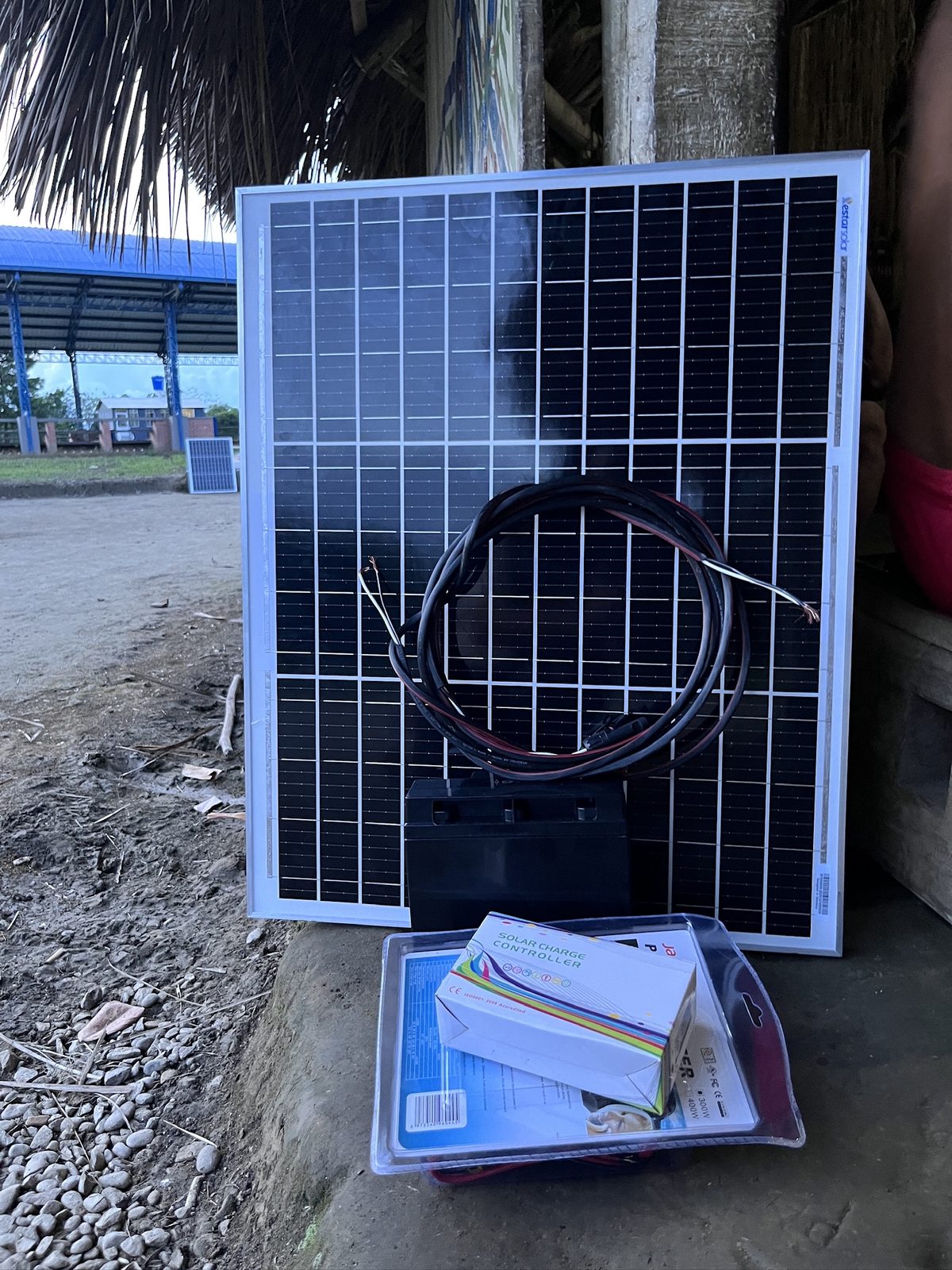
The work went through what each component does and how the system fits together.El trabajo pasó por qué hace cada componente y cómo se arma el sistema completo.
Installing was also a way of sharing the practical knowledge needed to use, understand, maintain and troubleshoot the systems afterwards.Instalar fue también una forma de compartir el conocimiento práctico para usar, entender, mantener y resolver fallas después.
The infrastructure remains in Maguaré.La infraestructura se queda en Maguaré.
So does the knowledge of how it was assembled, how it works and how it can be maintained. Decisions about its use and upkeep remain local too.También se queda el conocimiento de cómo se armó, cómo funciona y cómo se mantiene. Las decisiones sobre su uso y su cuidado también se quedan ahí.
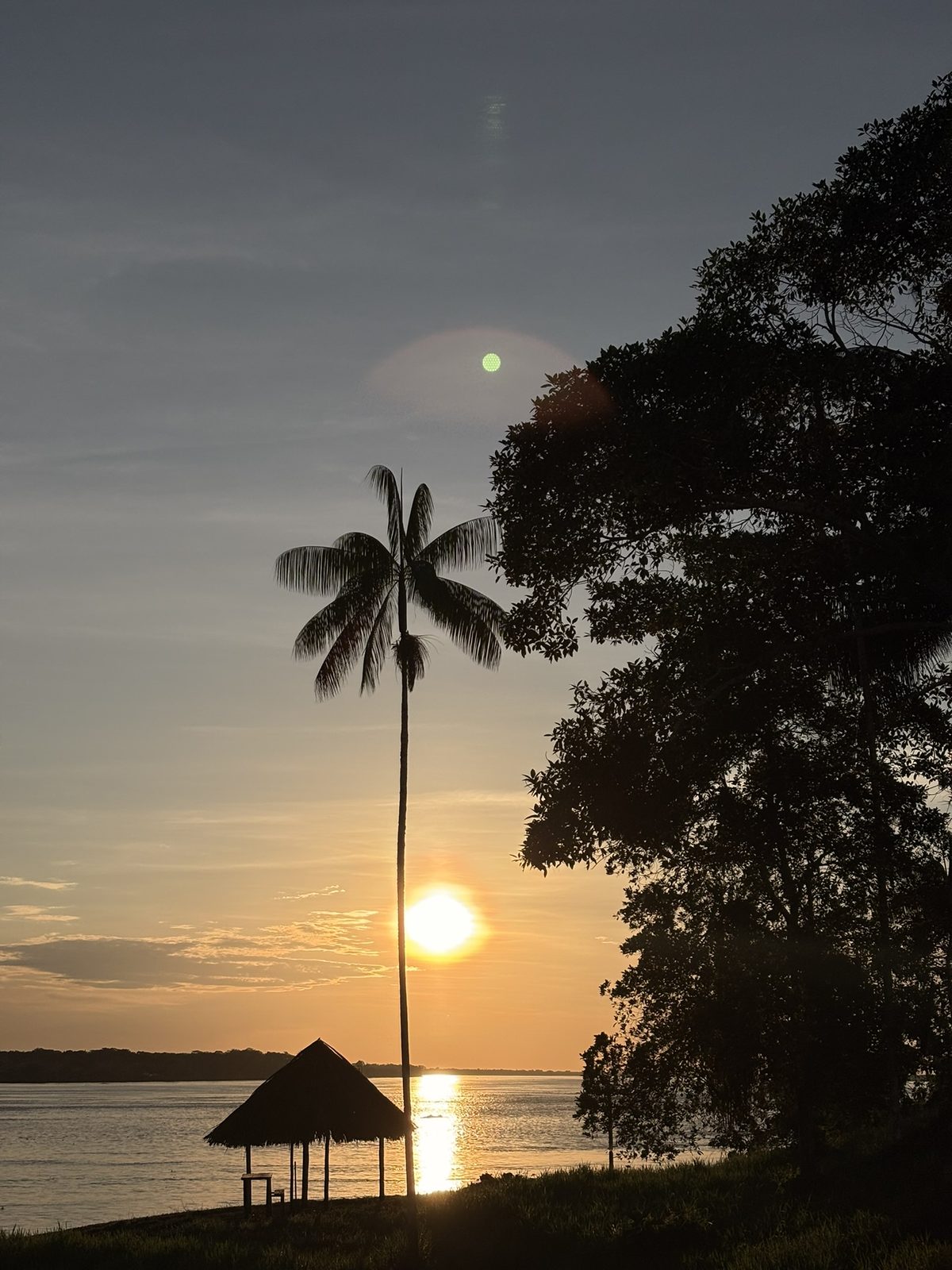
Milpa and mingaMilpa y minga
Milpa and minga come from different places and histories. We are not treating one as a model for the other.La milpa y la minga vienen de lugares e historias distintas. No estamos tratando una como modelo de la otra.
Milpa y Minga asks what becomes possible when different practices of cultivation, collective work, making and maintaining things meet without becoming the same.Milpa y Minga pregunta qué se vuelve posible cuando distintas prácticas de cultivo, trabajo colectivo, hacer y mantener las cosas se encuentran sin volverse la misma.
The panels stay in place. The learning does not have to.Los paneles se quedan. El aprendizaje no tiene que quedarse.
Diagrams, adaptations, repair knowledge, mistakes and ways of organising the work can move onwards and be changed again somewhere else.Diagramas, adaptaciones, saberes de reparación, errores y formas de organizar el trabajo pueden seguir viajando y volver a cambiar en otro lugar.
semilla 001
The domestic solar system, explainedEl sistema solar doméstico, explicado
How the energy moves through the system, and what it can and cannot power.Cómo se mueve la energía por el sistema, y qué puede y qué no puede alimentar.